


How to Extend the Life of Your Vehicle

Your check engine light hasn't come on, your car still starts every morning, and from the driver's seat, everything seems fine. That feeling of "fine" is exactly how most expensive repairs sneak up on people — not because something dramatic happened, but because small maintenance items got pushed off long enough that they turned into bigger ones. The vehicles that reliably hit 200,000+ miles aren't lucky. They're maintained on a schedule that most drivers know about but don't actually follow.
So let's talk about how to extend the life of your vehicle in practical terms — not generic tips, but the maintenance priorities that actually move the needle on long-term reliability.
How to Extend the Life of Your Vehicle: Start With What Actually Wears Out First
Engines and transmissions get the attention, but the components that fail first — and most often trigger a cascade of related problems — are usually the smaller, cheaper items: belts, hoses, fluids, and filters. A timing belt that fails on certain engine designs can take the entire engine down with it, turning a $200 preventive replacement into a $3,000+ repair. This is the core principle behind extending vehicle life: the cheap maintenance you skip becomes the expensive repair you can't avoid.
Oil Changes Are Doing More Than You Think
Most drivers understand oil changes prevent engine damage in a general sense, but the specific mechanism is worth understanding because it explains why intervals matter so much. Oil lubricates moving engine components and carries away heat and contaminants. As oil breaks down over time and mileage, it loses lubricating effectiveness, which means metal components experience more direct friction and heat than they should. This wear is cumulative and largely invisible — you won't feel your engine degrading mile by mile, you'll just eventually notice reduced performance or, in more neglected cases, a more serious failure that traces back to years of extended oil change intervals. Staying current on oil changes is the single highest-leverage maintenance item for engine longevity, full stop.
The Brake System Issue That Costs More the Longer You Wait
Here's a connection most drivers don't make: delaying brake repair doesn't just risk safety, it actively increases the cost of the eventual repair. Worn brake pads that aren't replaced in time damage the rotors they're pressing against, turning a pad replacement (the cheaper repair) into a pad-and-rotor replacement (the more expensive one). Let it go further, and caliper damage from prolonged metal-on-metal contact adds yet another repair cost on top of that. Brake repair done at the first sign of wear — squealing, reduced stopping power, pulsing — is consistently cheaper than brake repair done after ignoring those signs for months.
Why Alignment Issues Quietly Destroy Other Components
A vehicle that's out of alignment doesn't just pull slightly to one side — it causes uneven tire wear that shortens tire lifespan, and the steering and suspension components compensating for that misalignment experience additional stress they weren't designed to absorb long-term. This is a maintenance item that's easy to deprioritize because the symptoms feel minor (slightly uneven steering feel, tires wearing a bit faster than expected), but the cumulative effect on tires and suspension components adds up to real cost over a few years of driving on a vehicle that's never been properly aligned.
Suspension Health Affects More Than Ride Comfort
Worn suspension components don't just make for a rougher ride — they affect how your tires contact the road, which affects braking distance, handling stability, and tire wear patterns simultaneously. A vehicle with degraded suspension components is working against itself: the suspension issue accelerates tire wear, the uneven tire wear affects handling, and the compounding effect shortens the useful life of multiple systems at once rather than just one.
Why Diagnostics Matter More Than the Check Engine Light Alone
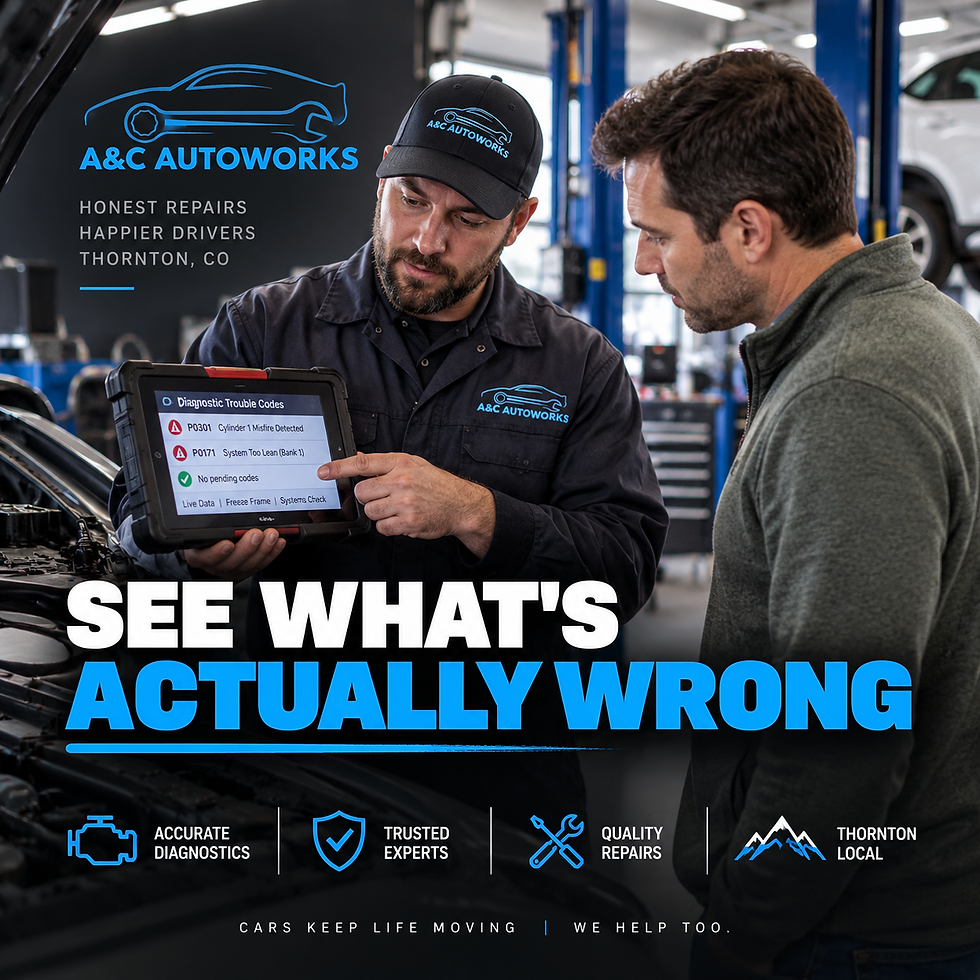
Here's a non-obvious point: the check engine light is a binary signal — on or off — but it doesn't tell you how urgent the underlying issue actually is. A code that triggers the light could represent a minor sensor issue or something that, left unaddressed, leads to significant engine damage. This is why engine diagnostics done by someone who can read the actual codes and assess severity matters more than just noting that the light is on and deciding whether to worry about it based on how the car feels day to day.
The Maintenance Schedule Most Drivers Don't Actually Follow
Manufacturers publish maintenance schedules for a reason — they're based on what actually wears out at predictable mileage intervals for that specific vehicle. The gap between the published schedule and what most drivers actually do is where a lot of preventable long-term damage originates. Following the schedule isn't about being overly cautious; it's about catching small issues while they're still small, cheap fixes rather than waiting for them to become problems serious enough to notice without a scheduled check.
Seasonal Driving in Colorado Adds Its Own Set of Stresses
Vehicles in Thornton, Northglenn, and Broomfield deal with a specific combination of stresses that shortens component life faster than mild climates do: temperature swings that stress fluids and seals, road salt and de-icing chemicals that accelerate corrosion on undercarriage components, and altitude-related engine load differences. A maintenance schedule that doesn't account for these regional factors specifically is missing part of what actually determines vehicle longevity here versus in a more moderate climate.
Building a Maintenance Relationship, Not Just Showing Up When Something Breaks
The vehicles that last longest tend to belong to owners who have an ongoing relationship with a shop that knows the vehicle's history, rather than owners who only show up reactively when something audibly goes wrong. A mechanic who's seen your car for the last three oil changes notices small changes — a new sound, a slight vibration — that someone seeing the vehicle for the first time during an emergency repair simply can't catch as early. Contact A&C Autoworks today to schedule your next service and start building the maintenance history that actually extends your vehicle's life.


Comments